Hygrade Blog
How Branded Promotional Products Strengthen Customer Loyalty and Team Engagement
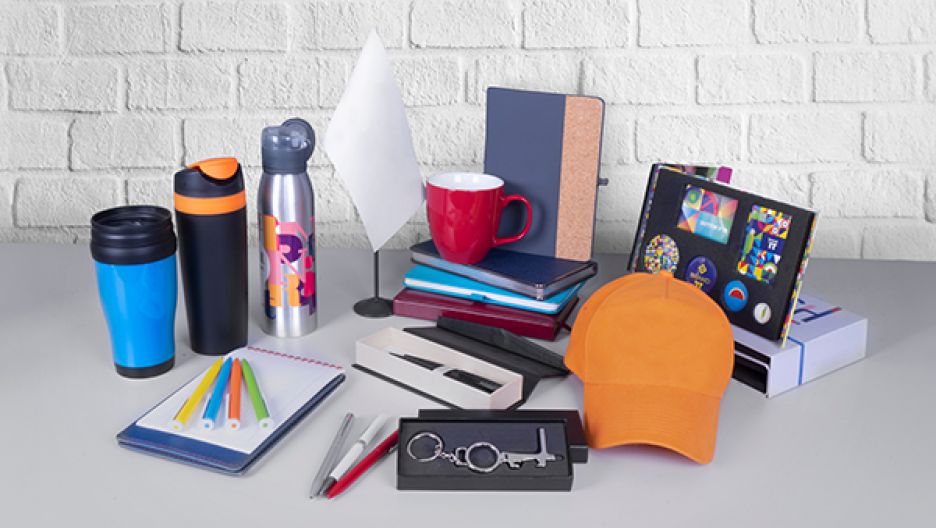
Despite the rise of email, apps, and automation, promotional products continue to play a strategic role in strengthening relationships and reinforcing brand identity. When planned intentionally, branded merchandise moves beyond “free giveaways” and becomes a tangible brand touchpoint that supports retention, brand consistency, and long-term trust.
For healthcare, financial, and enterprise organizations with multiple teams involved in communications, this matters even more. A coordinated merchandise strategy can enhance brand engagement externally while also fostering a stronger internal employee culture. The key is treating promotional products as part of a broader lifecycle: onboarding, recognition, events, and client relationship moments.
Why Branded Items Still Matter in a Digital-First World
Digital communication is fast and scalable, but it can also be crowded. Tangible items create a different kind of impact. A functional, well-made branded item stays visible in day-to-day routines, reinforcing your organization in ways digital channels often cannot.
When used strategically, branded merchandise supports:
Trust and credibility through professional and consistent presentation
Brand recall through repeated real-world exposure
Relationship-building by making outreach feel more personal and intentional
This is especially relevant in industries where trust and reliability matter. In healthcare and financial services, a physical brand touchpoint can reinforce confidence and stability without adding noise or promotional clutter.
Tangible Reinforcement for Digital-First Campaigns
Promotional products are most effective when they complement digital outreach rather than compete with it. When branded items are tied to broader communication efforts, they help create continuity across channels and make key messages more memorable. Organizations often use merchandise to support campaigns and events before, during, and after they take place, keeping engagement active beyond a single touchpoint.
The same approach can strengthen client communications by giving account teams a consistent, tangible way to stay connected throughout the relationship. Branded items can also extend the impact of thought leadership, webinars, and in-person meetings by giving audiences something that continues to reflect the brand long after the interaction ends.
There’s also a clear shift away from high-quantity novelty items toward curated, role-based bundles. Onboarding kits, event packs, and VIP client sets allow organizations to tailor touchpoints while protecting consistency. In this model, quality and usefulness drive brand engagement more effectively than volume.
Events, Client Gifting, and Relationship Building
Promotional products deliver the most value when they support real interactions and meaningful relationship milestones. Events and client gifting are two areas where organizations can strengthen loyalty without leaning into overly promotional tactics.
For events, branded merchandise can extend engagement well beyond the booth or meeting itself when it is planned as part of the overall experience. Pre-event mailers help build anticipation and encourage attendance by setting expectations before the event begins.
On-site, coordinated booth kits create a cohesive, on-brand presence that reinforces credibility and makes interactions feel more intentional. After the event, follow-up items give organizations a way to continue the conversation, reinforcing key messages and helping the brand stay top of mind once attendees return to their day-to-day routines.
Client gifting can also be highly effective when it aligns with real moments in the relationship, such as:
Welcome or onboarding kits for new accounts
Thank-you packages following key projects
Milestone gifts tied to anniversaries or renewal moments
Useful sets that support ongoing client communication
The goal is to support relationship-building with items that feel relevant and professional. Prioritize usefulness and subtle branding to maintain credibility, especially for audiences in regulated industries.
Sales and marketing alignment are also crucial. Promotional products should align with campaign objectives and messaging, rather than serving as disconnected “stuff.” When merchandise supports a lifecycle, from onboarding to retention, it strengthens brand engagement consistently over time.
Strengthening Employee Culture and Team Engagement with Branded Merchandise
Promotional products aren’t only customer-facing. Internally, they can be a practical tool for strengthening employee culture, particularly for organizations managing hybrid teams, multiple locations, or rapidly growing departments.
When designed with purpose, branded merchandise can improve onboarding by helping new employees feel connected quickly. It also supports recognition and milestone moments in a consistent, visible way. Across teams and locations, these items help create a shared sense of identity. Over time, they can reinforce internal communications and leadership initiatives by keeping key messages present beyond a single announcement.
High-impact internal moments include onboarding, anniversaries, performance recognition, team events, and leadership communications. Branded items tied to these moments feel intentional, and that intent matters. Employees can tell the difference between “random swag” and a well-designed touchpoint that reflects how the organization values its people.
Consistency is critical here. The same standards that apply to external communications should also apply internally, including logo usage, colors, fonts, and overall presentation. If items look inconsistent or low-quality, they can weaken trust in the brand and reduce perceived value.
A “less but better” approach often delivers stronger results, protecting brand perception while reducing waste. A simple decision filter can help teams choose well:
Purpose: What moment or outcome does this support?
Audience: Who will be receiving it, and why?
Use frequency: Will it be used regularly or only once?
Brand fit: Does it align with brand standards and values?
Maintaining Brand Consistency Across Promotional Products
Even strong brands can lose equity when promotional items are inconsistent, because minor execution errors quickly signal a lack of attention to detail and coordination.
Off-brand color matching, incorrect or distorted logo use, and uneven product quality across departments can make the organization appear fragmented, which may weaken credibility with clients and prospects who expect professionalism and reliability.
Inconsistent packaging and presentation can further reduce perceived value, making the item feel disposable rather than intentional. Fragmented ordering through multiple vendors often amplifies these issues, creating mismatched standards that confuse audiences and undermine trust.
Internally, the same inconsistencies can impact employees by making the brand feel unclear or inconsistently managed. Over time, this tends to dilute pride, belonging, and confidence in the organization’s leadership and standards.
A good way to prevent these common errors is to create a lightweight merchandise brand kit. In addition to reducing inconsistencies, this resource facilitates easier execution across teams and vendors. This kit typically includes:
Approved logo files and usage rules
Color specifications and imprint guidance
Standard placement recommendations
Clear do-and-don’t examples and quality expectations
This is also where working with a reliable partner makes a measurable difference, especially when multiple locations, departments, or stakeholders are involved.
From Giveaways to Long-Term Brand Value
The key takeaway is that the most effective branded merchandise programs are built on intention rather than one-size-fits-all approaches. When aligned to a clear strategy and executed with consistency, promotional products can strengthen customer loyalty, deepen brand engagement, and reinforce employee culture across the moments that matter most.
A true “beyond giveaways” mindset means treating branded items as planned touchpoints throughout the relationship lifecycle. This includes using merchandise to support culture-building and onboarding, extending the impact of events and in-person engagement, and marking client milestones that influence retention over time.
Just as important, it requires consistent standards and coordinated execution so every item reflects the same level of professionalism, whether it’s reaching a prospect, a long-term client, or a new employee.
To get the best results, organizations benefit from a partner who can help manage quality, consistency, and logistics across product types and stakeholders. Discover how Hygrade Business Group enables organizations to coordinate print, promotional products, and brand consistency across teams, audiences, and use cases.